Planning
The most important stage of the cycle. Using input from the client and market information, we set the basic approach, identify potential risks and complete a cost-benefit analysis.
We also develop software for others. Our team creates custom applications for structural design, numerical analysis, and scientific data visualization, intended for engineering firms, software companies, research institutes, and industrial clients.
Our products speak for themselves: STKO, the graphical interface for OpenSees, is used by structural, geotechnical, and seismic engineers around the world, and STKO itself originated from MPC, a generic pre- and post-processor we had developed for external solvers.
Every project begins with defining goals, needs and required functions together with the client, with defined communication channels and regular progress updates. Development follows a structured life cycle and continues after delivery. The result is software built around the way people actually work: easy to use and designed to minimize errors.
Software development for structural analysis and scientific data visualization is one of our strengths.
Our team brings together software developers and engineers, and every project draws on our know-how in numerical methods research, advanced analysis and design, with a client-focused approach: constant communication throughout development and a clear goal, software that works and is built around the needs of the people who use it.
The most important stage of the cycle. Using input from the client and market information, we set the basic approach, identify potential risks and complete a cost-benefit analysis.
We determine what operations the application should perform by studying end-user needs, diagnosing issues in the current system, recommending improvements and removing inconsistencies. We identify obstacles and ways to address them, and once the client approves, the project begins.
From the requirements specification we derive the product's optimal architecture, described in a design document reviewed by our experts. Risks, modularity and time constraints are factored in from this stage.
The team writes the code in high-level languages such as C++ and Python, following the design document, until a working version of the software is ready.
The product is checked several times so that errors and defects are reported, tracked and fixed, until it meets the expected quality standards.
After release we gather user feedback and continue with support, updates and new features, so that the software stays relevant and of high quality.
Custom software developed for Kerakoll to design and analyse reinforced concrete, prestressed concrete, timber and masonry structural elements, including strengthening systems. More than 10,000 users.
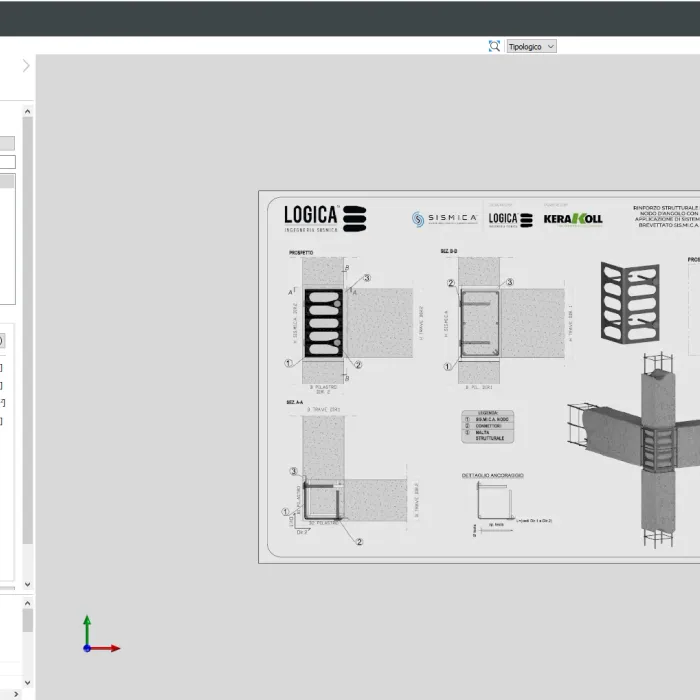
Custom software developed for Logica Tre to analyse reinforced concrete beam-column joints and design their strengthening with the patented SIS.MI.C.A.® system, in accordance with the Italian NTC 2018.
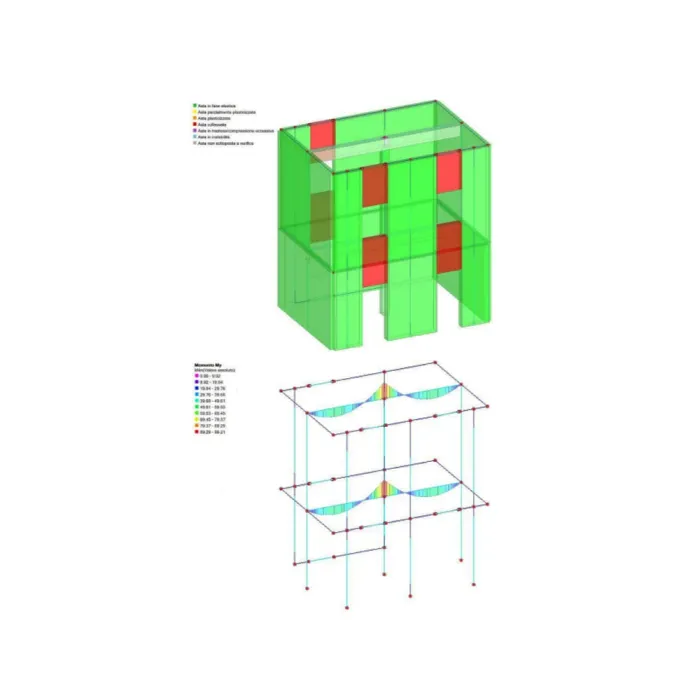
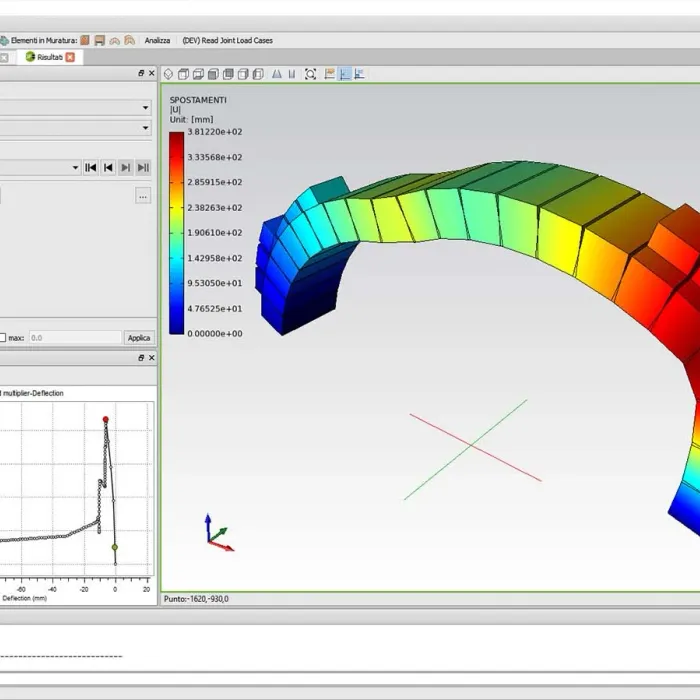
Post-processor developed with CSPFea for the linear and nonlinear checks of masonry structures according to the Italian NTC 2018, integrated with Midas software and open to results from other solvers.
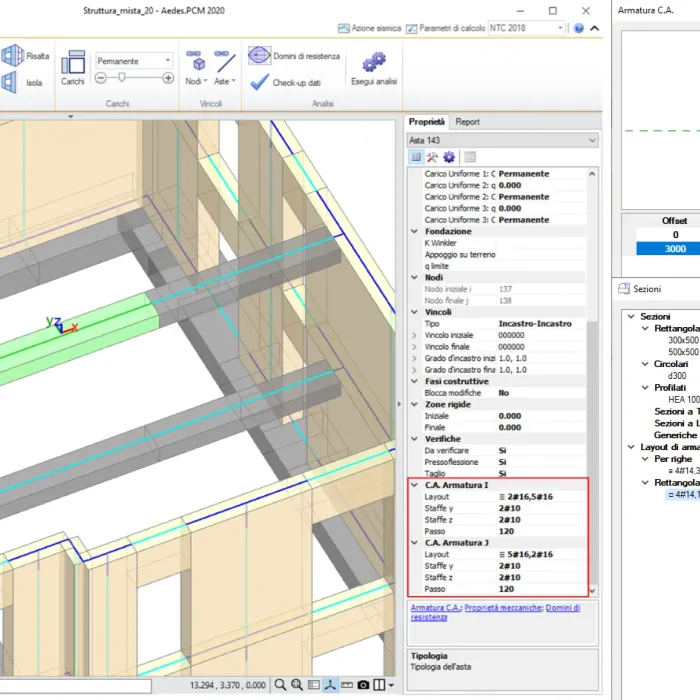
For Aedes Software we developed and validated the theory of the nonlinear plastic hinges that PCM, the BIM software for masonry buildings, uses to model existing and strengthened reinforced concrete elements.
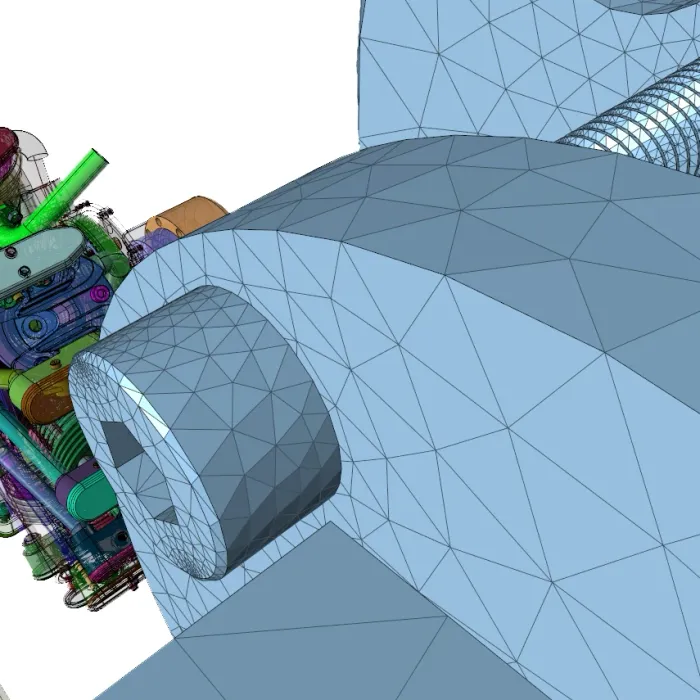
Versatile pre- and post-processor for external numerical solvers, with CAD modelling, meshing and scripting. It was the precursor to STKO.